In 2026 one will find the ideal time to be between February and April to partake in the grape harvest and wine festivals at some of the more animated cellar doors; or September to November when the weather is mild and the vineyards are green with less of a crowd. The autumn months are where the vintage-season experience is to be had, spring is for those who like their days comfortable and roads uncluttered.
It is not a case of one size fits all. Barossa Valley has an energy to it at harvest time, Margaret River is at the mercy of the coast and Tasmania can put the chill on you while the mainland is warming up. As Heath Cromwell would put it, you should align the season with the sort of experience you are after and allow yourself enough room between cellar doors so that tasting does not become a matter of racing the clock. For visitors exploring Victoria, Melbourne wine tours can make planning the experience easier.
Pick the Season That Works for You
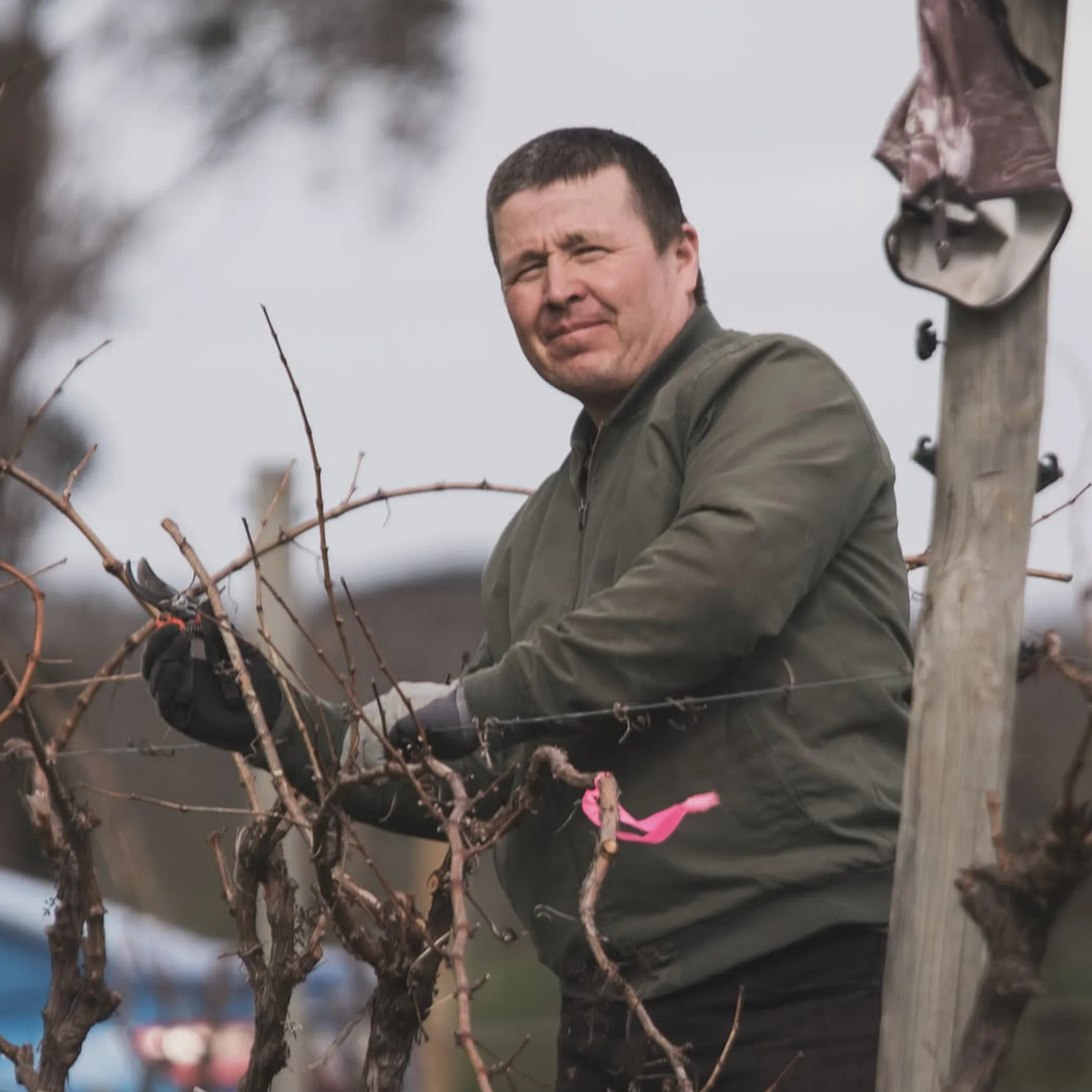
While Australian wine regions are open to business year round, the character of the place and what is on offer will be dictated by the season. It comes down to what you are in the market for: harvest activity, good touring conditions, a quiet retreat or better accommodation rates.
Autumn and spring are the surest bets for an inaugural visit. Summer has its long hours but the inland gets hot; winter is for the traveller with a taste for uncrowded cellar doors and a good fireplace.
Harvesters Will Find Autumn to Their Liking
Many areas see their principal harvest from February through to April. One vineyard could be in full swing and another not yet ready, depending on the variety, how high up it is, the rainfall and ripeness.
There is an element of noise and commotion to harvest and a certain behind-the-scenes appeal. Expect to come across winemakers making notes on the vintage, tractors in the rows and bins of grapes. Some staff may be working flat out which means access to a cellar door is restricted; do not mistake this for poor service.
Comfortable Touring in Spring
The space at the cellar doors is greater in the spring (September to November) and the weather is mild. It is a good option if you would rather not have a packed tasting room and wish to mix your wine with a gallery or walking track.
Then again rain has a way of putting a stop to things in the cooler climes or along the coast. Have a waterproof jacket and sensible shoes for when the ground is damp and an indoor plan up your sleeve. A vineyard is romantic until the track is as much of a mud as chocolate pudding.
A Slow Weekend in Winter
From June to August the wine regions tend to be quieter. If you want to put fireplaces and long lunches before the greenery of the vineyard, winter is the time. Be aware that in Orange or the Adelaide Hills and Yarra Valley the cold is no joke; in Tasmania even more so. Do not make the error of thinking every cellar door is open on a weekday in the off months and check the daylight before setting off on a lengthy drive.
By the Numbers: Australian Wine Regions
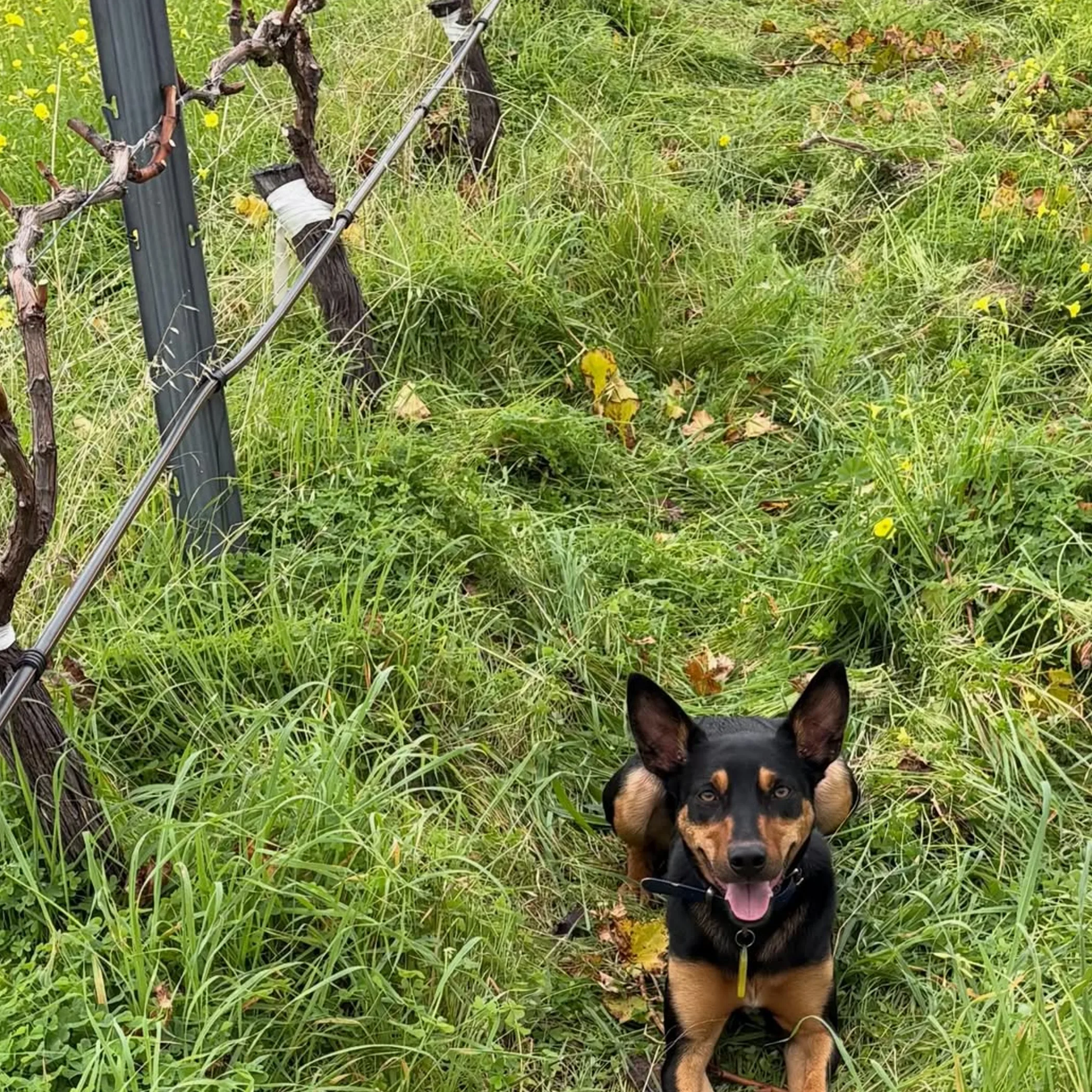
You can have a warm valley, a cool Victorian spot and a Western Australian coastal region all in the same month and they will be worlds apart. What follows is meant to be a guide in planning your trip, nothing more. Wineries alter their hours and the weather is fickle, so put in a call to confirm.
| Season | Typical Months | Best For | Things to Note |
|---|---|---|---|
| Autumn | Feb – Apr | Grape harvest, fresh food and the vintage scene | Warmer days and higher demand; you may not get in at a working winery |
| Winter | Jun – Aug | To enjoy a quiet tasting and a fireplace | Rain and short days; reduced opening on weekdays |
| Spring | Sep – Nov | Shoulder-season touring and gardens | Wind and changeable conditions |
| Summer | Dec – Feb | An outdoor meal or a day on the coast | Bushfire risk, busy weekends and the heat |
Weather and Region
Head to the Barossa or McLaren Vale in summer and it will be hot. Better to book a shaded lunch and do your tastings in the morning than show up at midday with optimism and an empty car. With Margaret River the coastal weather is a factor; a sunny morning can turn to wind and wet in the afternoon so keep your route flexible. One is well advised to have some layers on hand in the Yarra Valley, Mornington Peninsula and Adelaide Hills; the temperature will vary from an open vineyard to the protection of a cellar door.
Before you put the finishing touches to your itinerary, consult the climate information put out by the Australian Bureau of Meteorology for any warnings or up to date forecasts.
Harvest And Festivals In Autumn
Put simply, autumn is what most would say is the time to be in Australia’s wine regions. The vineyards are in full swing, menus at the local restaurants are being revised and there are vintage events and festivals in many communities.
But there is a cost in terms of demand. A festival that runs concurrent with a public holiday or some other food affair can make a weekend as crowded as a tin of sardines. Make early arrangements for your transport and where you will stay if you are in the area from February through April.
To See Vintage First Hand
Do not assume harvest means you are free to go picking grapes or amble about the production side of things. There are rules of access, safety and hygiene at a working winery. Heed what the staff say, keep clear of vehicle lanes and leave the forklifts alone as photo opportunities.
The people at the cellar door will tell you what is going on in the locality. They are happy to put you wise on which varieties are being picked, how the vintage is faring under present conditions and if the wine on offer is young or has had time to mature. It is a way of having a lesson without the formality of a lecture theatre.
Make Allowances For Busy Times
When you have but a day in autumn, do not try to span several far flung regions, pick one compact area instead. In the Barossa Valley you will be more realistic with a loop of three or four bookings than in covering all the well known producers.
Factor in 45 minutes to an hour for a tasting and then some for driving and parking and lunch and the odd detour when a bakery is noticed. A private car with a sober driver or one of the organised Australian wine tasting tours is to be preferred.
Mild Conditions In Spring
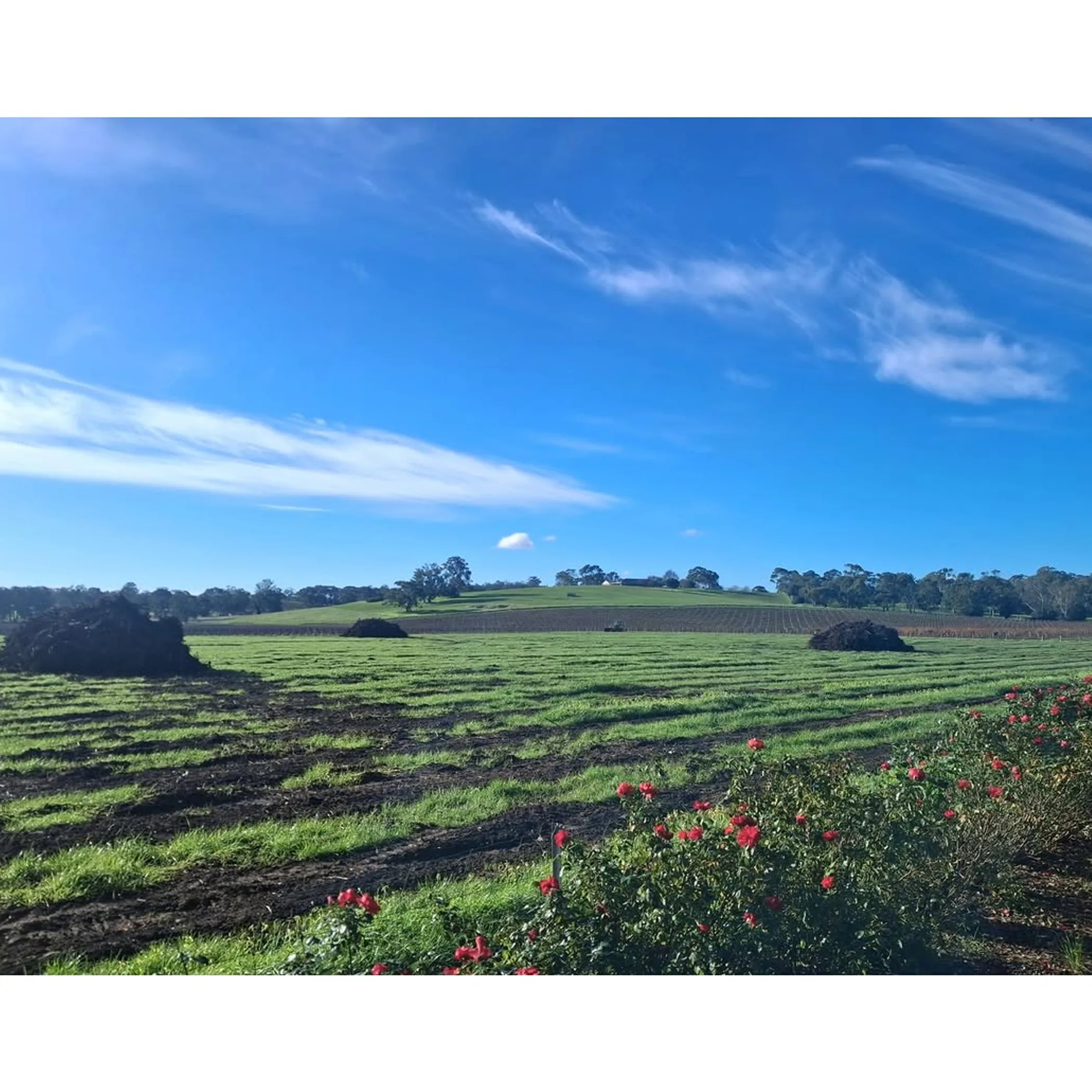
For those who want to tour in comfort and not have to contend with the rigours of the vintage season, spring is the best bet. You will find the vineyards and gardens are looking good and the roads in the region are still passable outside of school holidays and the like.
Photographers will find it a good season too; the light at the start or end of the day does wonders for the hillsides and old sheds and rows of vines, though it will not stop a wind from putting your hat askew.
An Easier Time Of Year
In the shoulder season you will have less trouble getting the restaurant table or tasting slot you want. Cellar-door staff have more time for you on a weekday and you can have a lengthier conversation over a Chardonnay or sparkling wine without feeling put upon.
That is not to say planning is unnecessary. Some of the smaller concerns are only open by appointment or on certain days. A check on accessibility and fees is in order before you head out.
Be Prepared For What The Day Brings
With spring comes the possibility of sun, rain and a bit of wind. Dress accordingly and in sensible shoes. If you intend to put in some walking in the vineyards, enquire as to whether the ground is fit after a rain and if dogs or children are allowed.
While the roads around the bigger wine towns are unproblematic, the rural ones can be narrow and dark. It is best to be done with your tastings before the sun goes down if you do not know the lay of the land.
The Merits Of Winter And Summer
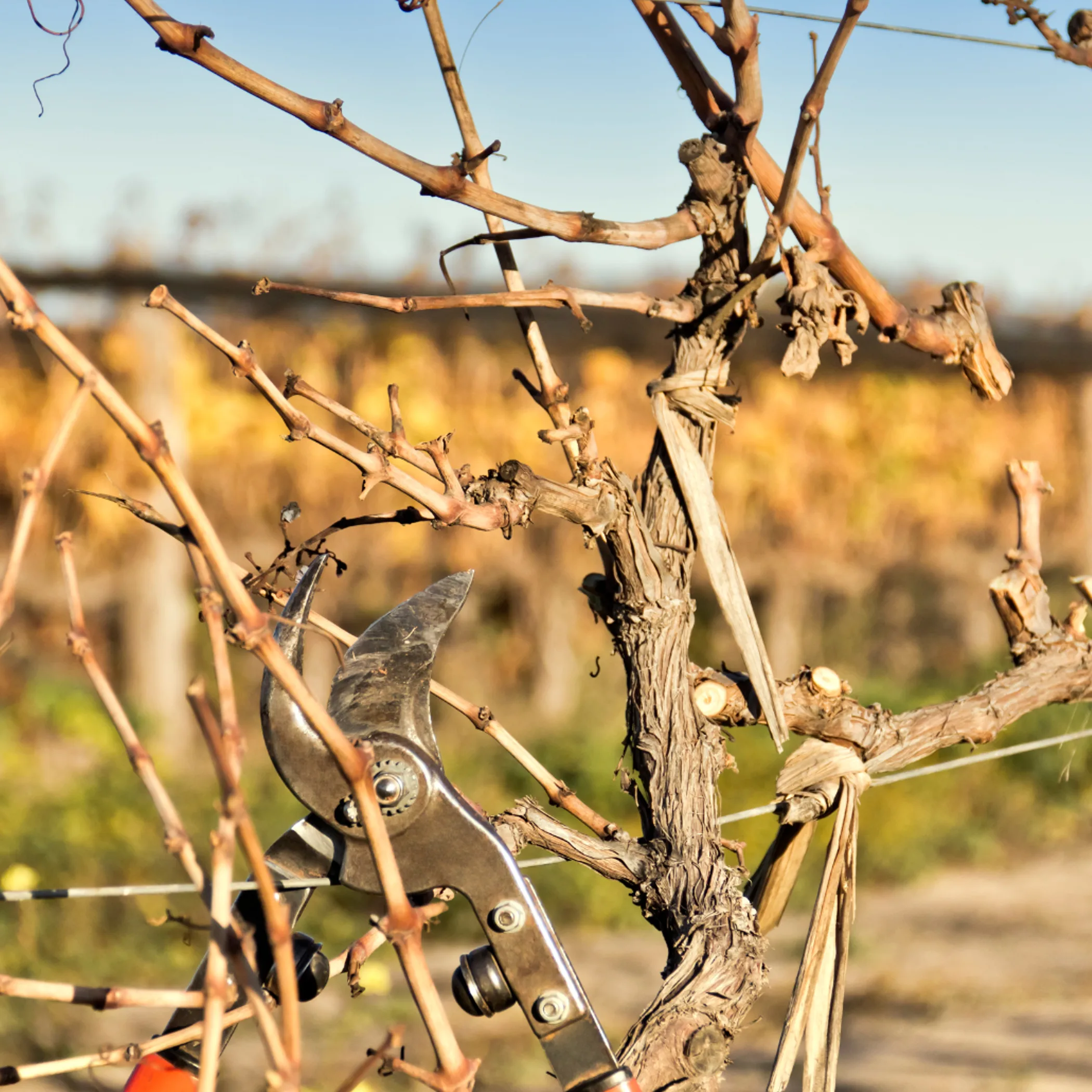
Each has its appeal. Summer lends itself to long days and an outdoor meal, perhaps with a coastal drive thrown in; winter is a quieter, more personal affair. Neither is superior, it is a matter of how much heat or cold and inclement weather you are prepared to put up with should it see fit to disrupt your plans.
A Quiet Winter
If you are after good food, wine and company, a winter in the Yarra Valley, Adelaide Hills, McLaren Vale or Barossa is hard to beat. A chill in the morning is reason enough for a leisurely start and a protracted lunch is hardly an indulgence.
Vineyard strolls are not so dependable in these months. Put on warm clothes and give yourself time on the wet roads. Rates for accommodation can be better when there is no festival or weekend, but compare them first, school holidays and the like will alter the picture.
Take Care In Summer
Margaret River and the Mornington Peninsula are fine in summer for a combination of wine and the coast. Further inland where it is hot, get your outdoor activities out of the way early and do not be leaving bottles of wine in a car to bake.
Parts of Australia are prone to bushfires in the summer. One should be on top of local warnings and respect any road closures, not making the mistake of thinking a well trodden route is still passable. Should a fire authority advise you to alter your plans, do so; there will be other days for the cellar door and no amount of confidence will make a poor call any better.
Top Regions: The Best Months to Go
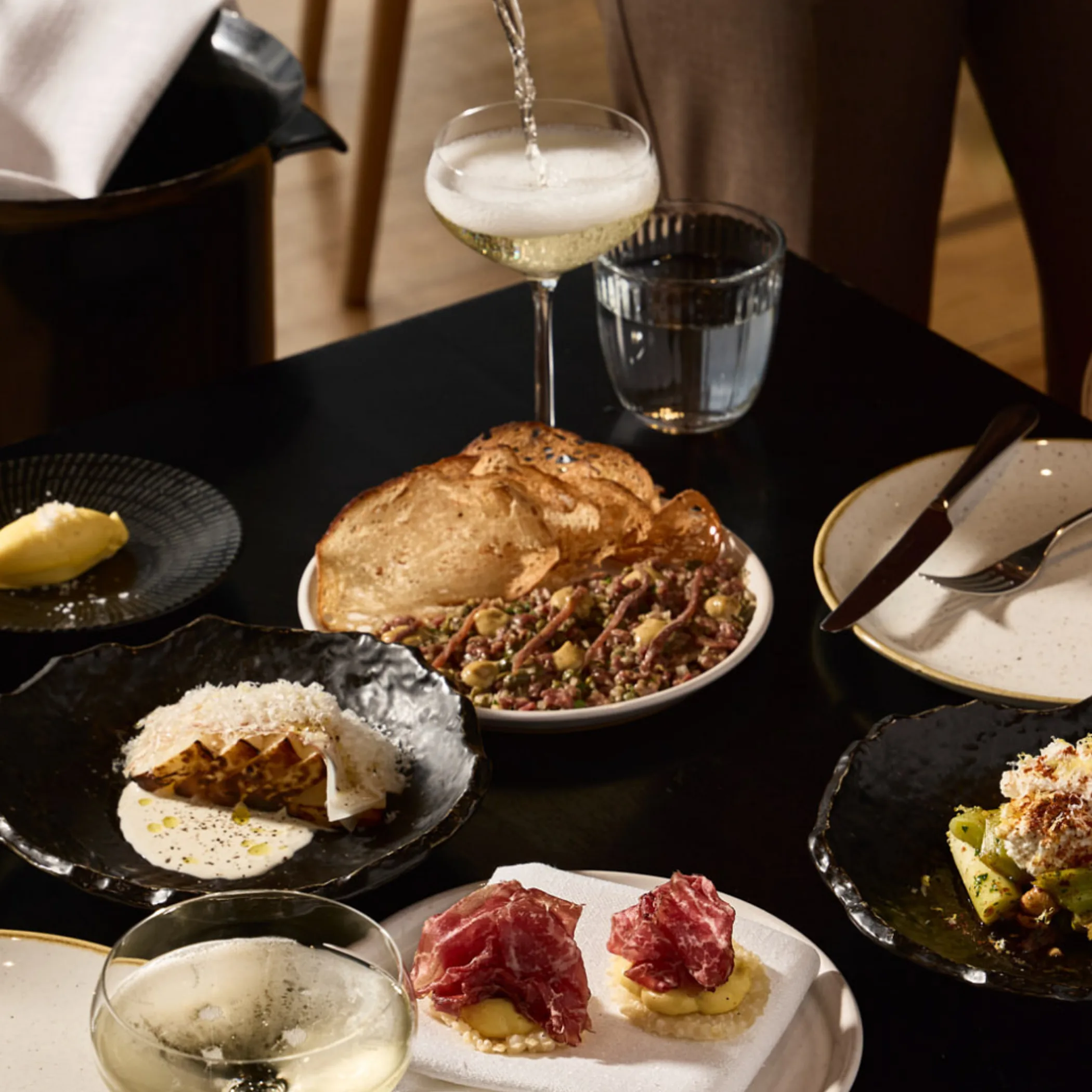
There is a different kind of sweet spot to be found in every major wine area. What makes for the finest Australian region to put on your itinerary is a matter of how far you want to travel, what varieties you like and whether you have an appetite for heat or crowds or the odd coastal surprise.
This guide to the regions can help you whittle down your options before you put a route together. You could in theory see them all in one go but only if airports are more to your liking than vineyards.
Barossa Valley And McLaren Vale
For the harvest atmosphere sans the midsummer heat, March is usually the month of choice in Barossa Valley. April has its own way of being calmer while you take in some autumn colour and food events and talk with the winery staff.
Then there is McLaren Vale with its red varieties, Mediterranean flair and coastal character as against the Shiraz and Grenache for which Barossa is made. A driver is advisable in both since the cellar doors are not bunched up in a convenient strip but out on the rural roads.
Hunter Valley
Autumn and spring tend to be the times to be in Hunter Valley for wine tasting, a restaurant meal or a stroll through the gardens. On weekends the place can get up and running with weddings and concerts, so a weekday will afford you a more leisurely tasting. Semillon and Shiraz are the local ways of doing things but the region is not defined by one grape.
Margaret River
Spring and autumn are generally preferred at the Margaret River wineries to keep the coastal weather from having its way with the day and for more agreeable temperatures. In late spring one can make a good combination of the wineries with the beaches and food producers and the forests.
First timers are sometimes taken aback by the distances. Make a plan to cover a few cellar doors in close proximity instead of criss-crossing the region. Know how you are getting back before you start and do not count on your mobile in some of the more rural spots.
Yarra Valley And Mornington Peninsula
If cool-climate Chardonnay and Pinot Noir are to your taste, head for Yarra Valley in spring or autumn. It is not hard to get to from Melbourne but a weekend’s traffic will put time on a short-looking drive.
Late spring to autumn is when to visit the Mornington Peninsula for the wine and the food and to walk the coast. The forecast may be smiling but the weather does not take long to turn so have a jacket in hand.
Adelaide Hills, Tasmania And Orange
You will find Adelaide Hills to your liking in spring and autumn for the cooler climes and their Chardonnay, Pinot Noir and sparklers. With Tasmania it is wise to be flexible in your timing as a ferry or flight and the elements can upset a rigid plan.
For a quieter time and some altitude, Orange is the place for cool-climate wines. The winter cold is something to be expected and for those who would rather eat by the fire than in the sun it is part of the draw.
Putting Together a Wine Itinerary for 2026
A sensible approach to driving, meals and the occasional delay is what makes for the most pleasant of tours. Even if the map says there is room for another, a well made itinerary will not be rushed.
There is the option of a private car for flexibility, provided there is a sober driver at the wheel. Taxis and rideshare are not always to be had beyond the larger towns, whereas an organised tour takes the decision making out of it and brings some local insight. Do not wait until the third glass to put in a return, make sure of it with your first.
A One-Day Planning Checklist
- Pick a wine region or some small sub-area to focus on.
- Put in for a couple of tastings and a proper meal.
- Make note of parking, accessibility, tasting fees and what hours they are open.
- See that you have a driver, a tour or transport pre-arranged.
- Have a phone charger, water, something for the sun and an extra layer on hand.
- Before you set off, look over any road, weather or fire warnings.
Reality And Expectation
You may think all vineyards will be at your leisure, open and quiet. In fact a good many cellar doors want a booking, some shut for private affairs and harvest time has a way of tying up the staff.
It is easy to assume wineries in the vicinity are but minutes from one another. The truth is rural roads and slow going, a lunch and some photos can put miles on a route. When driving from one region to another, do not take the map as your word.
As for vintages, 2026 will be what it will be once the season is done and the winemaker has made his decisions; anyone telling you otherwise before then is likely making a sale.
Frequently Asked Questions
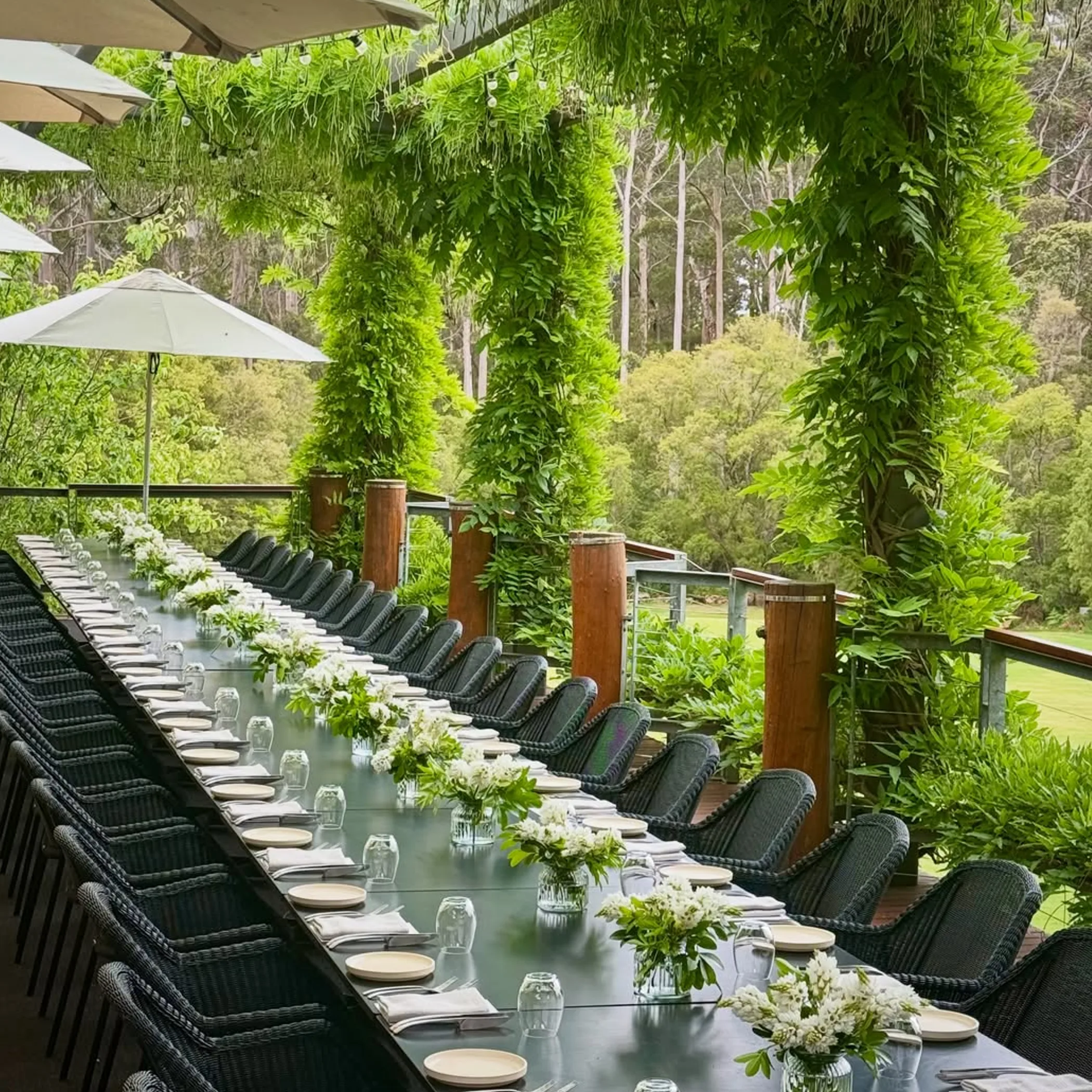
The following are put forward for the traveller who might be caught out. Do check with the winery yourself as event dates and conditions are subject to change.
Barossa Valley: when is the ideal month?
March is hard to beat if you want to see some harvest against an autumn backdrop, though it is vintage dependent. April tends to be more sedate with its cooler days yet the food and wine are still there to be had.
Is there a best Australian region?
Not in any objective sense. Go to Barossa for Shiraz and history, Margaret River for coastal fare and Chardonnay, or Yarra Valley for cool-climate wines and proximity to Melbourne. What is best is what fits your time and inclinations.
Will 2026 be a good year?
No one can say until the harvests are in and the wine has been appraised. Rainfall, heat, disease and other factors play their part in every region. Put down early pronouncements as provisional.
What of the 75-85-95 rule?
Some will use it as a guide to scores, with 75 being acceptable, 85 very good and 95 outstanding. It is no universal law and publications and critics have their own systems.
Should I book my Australian wine tasting tours?
For a weekend, a holiday or during harvest at the more popular spots, by all means. A walk-in on a quiet weekday is fine, but to depend on it is to risk an empty stomach and a newfound appreciation for booking forms while you drive around.
Work with the Season
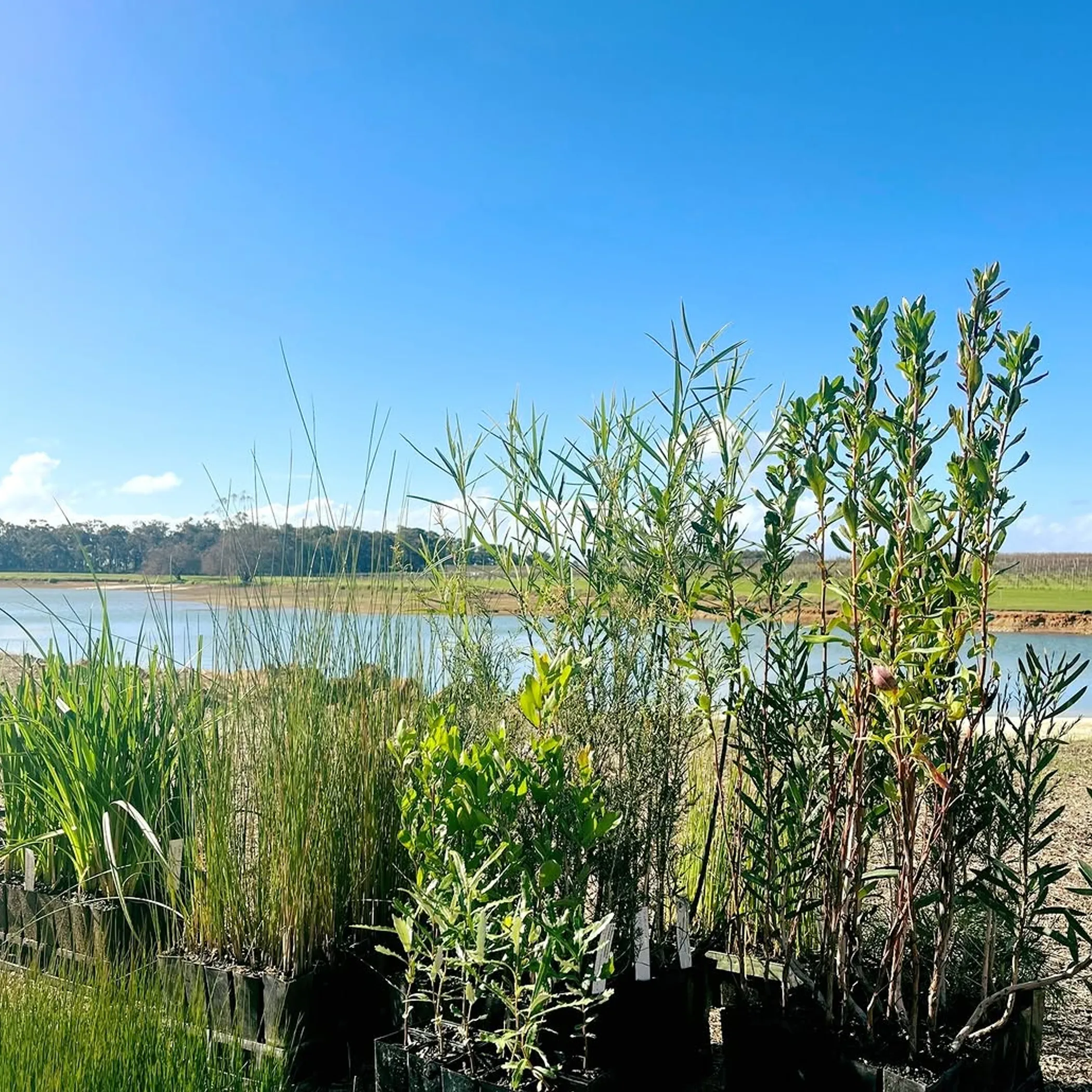
Autumn is where you will find the harvest in full flow for most, spring gives you milder weather and green vines without the crowds. Winter is for a leisurely food escape and in summer you would do well to plan for the heat and coastal conditions.
Book what is important and allow some space in the day, be it for a Melbourne outing or a protracted trip across Australia. The measure of a good trip is coming back with a few bottles stowed away and pleasant recollections, and not having to account for the Shiraz in the rental car.
