SMP Aftercare Australia
There is nothing complicated about aftercare for your scalp micropigmentation once you are in the know; it is a matter of letting the skin settle with the area clean, dry and under protection. You will want to be mindful in the opening days as premature washing, sweat or even unclean hands can compromise the healing and the hold of the pigment.
SMP, or scalp tattooing as some put it, is a way to make thinning hair less obvious and give a hairline some definition by means of minute pigment impressions. It gives the effect of a close shave. But you do not have to stock up on pricey items for the bathroom cabinet to look after it. For more information, see Melbourne scalp tattoo coverage. Patience and sensible hygiene will serve you better than any product.
Having worked with cosmetic practitioners, barbers and the like in my time, I have come to see that the nice photograph does not tell the whole story. As Heath Cromwell I can say that clients will be preoccupied with the procedure and then find they must put aside hard training or an ocean swim for a while. An enthusiastic scratch is best left alone too. A practical plan is worth its weight in gold.
What to Expect from the Healing Process
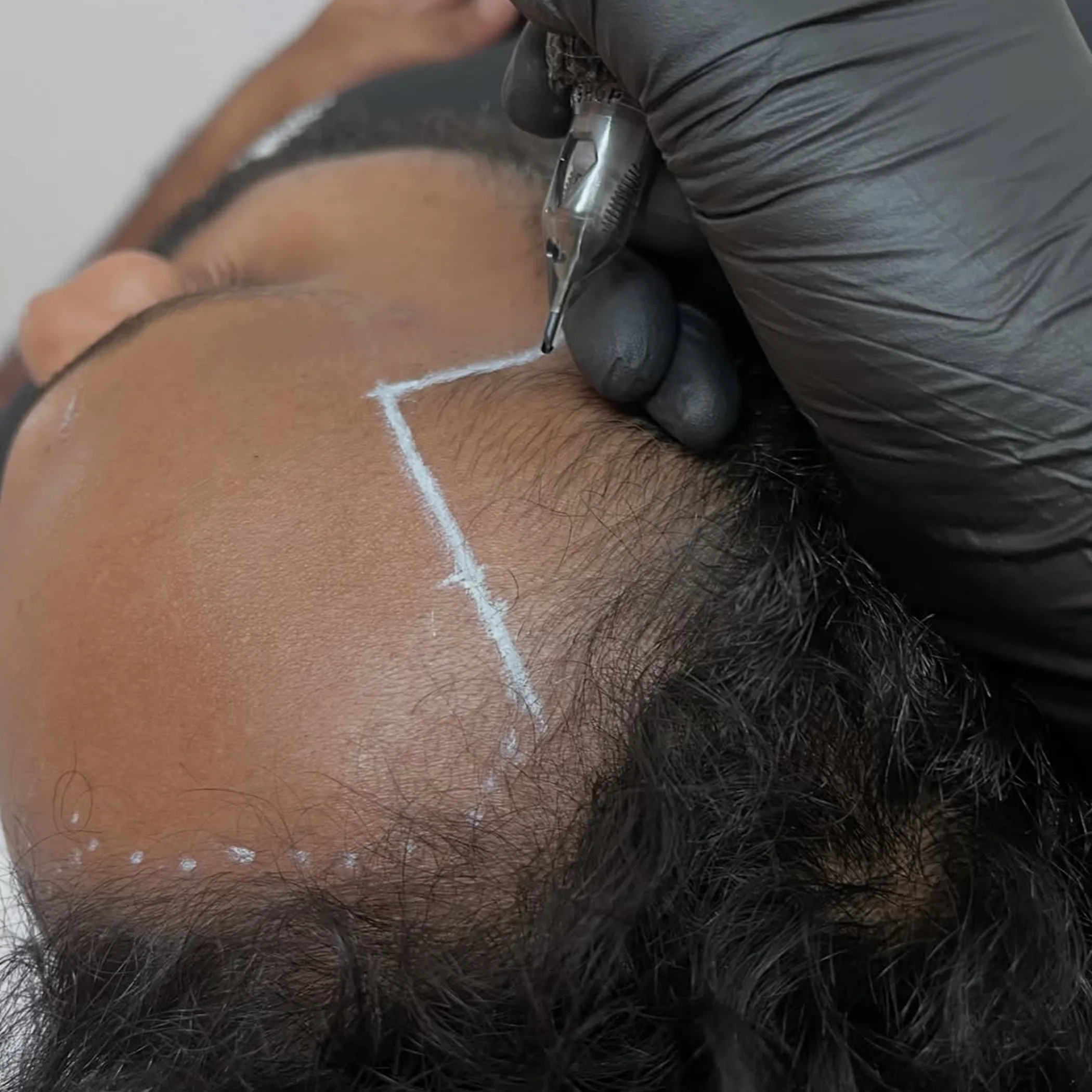
Some tightness, a little redness or flaking is to be had in the course of normal healing. The pigment will seem darker right after treatment but softens when the outer skin has been shed. Then again, no two people heal in quite the same way. Be it the weather, the practitioner’s approach, the depth of the pigment or pre-existing conditions of the scalp, these things set the pace.
The First Four Days
Stick to what your practitioner has put in writing for the first 24-48 hours. Some clinics will have you not wash the scalp at all in this early stage, depending on their technique. Hands should be washed before you go touching the area to make an adjustment or have a look. Put on a fresh pillowcase if you are prone to sweating in your sleep.
You would be well advised to forgo anything that brings on a heavy perspiration for the first few days. Intense gym work, hot yoga, manual labour in the sun or a long run will leave the scalp wet and that is not advisable. A walk is fine, but don’t put in a session where you end up looking as though you have put the Nullarbor behind you on foot.
Days 5-14
When given the all-clear to wash by your practitioner, do so with lukewarm water and a mild cleanser without fragrance, using the lightest touch of your fingertips. No scrubbing with a brush or rough towel. Pat the scalp dry with a clean towel, rubbing will only dislodge flakes. If it is tender, let it air-dry.
Should you see some flaking, let nature take its course. Picking at it is likely to irritate the skin and take the pigment off in an uneven fashion. For most the redness and darkness will subside and the area will start to look more like itself.
Weeks Two to Four
Assuming the skin has done its job, one can get back to socialising and exercise in the second week and beyond. Your practitioner will be the one to tell you when you can shave, put on products or hit the pool. Don’t be concerned if the colour seems a bit light; the pigment can be muted while the skin renews itself. Wait for the follow-up to assess how well it has been retained.
Habits for the Long Term
In truth good aftercare is a series of unexciting habits to stave off irritation. Once you can wash, keep the area clean and use only what is approved. Think of it as healing skin and not just stubble. The routine should be uncomplicated enough for when you are pressed for time or Melbourne has decided to change the weather before lunch.
Wash Without Scrubbing
Washing is not the time for a hot shower which dries the skin and adds to the redness. Use the cleanser your practitioner suggests and do not be tempted to introduce a host of new products. And unless a health professional tells you otherwise, put away the oils, retinoids and medicated lotions. Something being “natural” is no guarantee it is right for skin in recovery.
Sweat and Friction Control
In the initial phase of healing one is prone to some irritation from sweat and friction. Wearing clean, unrestrictive clothes will be of assistance, should you have to put a shirt on over your head. As for a work hat or helmet, these can chafe the scalp; check with your practitioner as to when they are no longer an issue.
Those in occupations that call for outdoor labour or dealing with dust, chemicals and heat would do well to arrange their treatment to suit their roster. There is no better place to be right after an SMP than sitting in the confines of a hot warehouse or on a building site.
Shielding From The Australian Sun
The sun can be an irritant to skin in the process of healing and has the potential to alter cosmetic pigment down the track. Heed your practitioner’s word on the use of sunscreen and keep out of direct rays while you are in the early stages.
Once the skin is properly healed a good broad-spectrum sunscreen and some physical cover are advisable for the scalp. A hat is fine so long as it is of a comfortable fit and does not put any pressure on or rub the area.
For more on what constitutes safe tattoo hygiene and aftercare, have a look at the advice from Healthdirect.
Aftercare Timeline
We provide a written timeline so there is no guesswork in putting together your work, exercise or social calendar. While the table below offers some practical parameters, your practitioner’s own directions will supersede them given the variance in healing and method of treatment.
| Stage | What to expect | How to handle it |
|---|---|---|
| First 24–48 hours | Pigment will seem darker, redness and tenderness are to be expected | Observe the clinic’s washing protocol and leave the scalp be |
| Days 3–7 | Some flaking, tightness or dryness | Do not pick at it and stay away from unapproved products and anything that causes friction |
| Days 7–14 | Colour softens and flaking subsides | Sensible sun protection and a gentle wash once you have been given the all-clear |
| Weeks 2–4 | Things start to settle | Be at your review to put any colour changes or unevenness forward |
| After healing | Easier to see the final result | See to the hygiene of the scalp and keep it from too much sun |
Mistakes That Get In The Way
It is not that most willfully disregard aftercare, they just do not put enough stock in how much sweat, water or friction is involved in the ordinary course of things. An impulsive scratch or a swim will make the first week more of a nuisance.
Washing Ahead Of Time
There is an assumption among some that an immediate wash is the hygienic thing to do. In fact the site may require a time without water or cleanser per the practitioner’s protocol. Make a note of when you can resume before you go.
Going For A Swim
Until the area is healed and your practitioner says the coast is clear, steer clear of pools, rivers, spas and even the home bath. They are full of bacteria, chemicals and the like. And in Australia you have to contend with saltwater, the elements and dusty tracks. A weekend on the coast might be restful but is not something to do with fresh SMP.
An Old Razor
A blunt razor will drag and abrade the skin if you are shaving too soon. Use only clean equipment and do not press hard when you do get around to it, and only after being told it is appropriate.
Reading The Colour
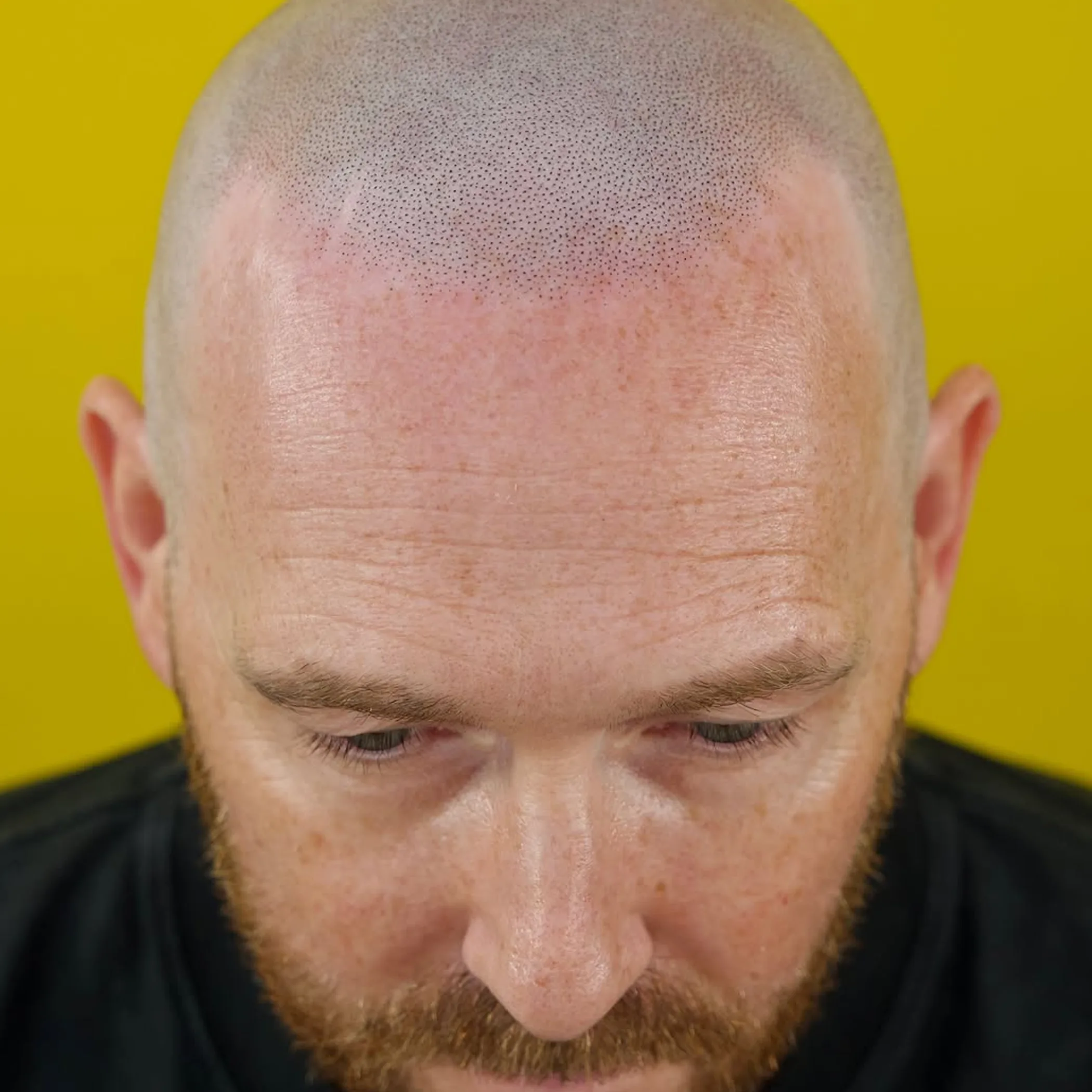
Under a phone camera or bright light in the bathroom the new pigment will have a certain boldness to it. It is easy for a client to be put out by a darker looking scalp in the first week, or to fret when it loses some of its intensity. But the reality is the immediate outcome is not the settled one. Put off any thoughts of change until the review and take photos in like conditions for comparison.
Putting Your Plans In Order
If you are of a mind to train hard, travel the country or work outside, aftercare is about scheduling. You may need more than one session for your treatment and each will mean a brief disruption to your routine. Do not be overly optimistic; it will not do much to dry a scalp after a perspiring journey on the train.
One Day Only
Make the appointment and the evening after your priority. Do not put in a flight with a hot transfer, a day of sightseeing or a long drive straight after.
See to it that you have transport home that is not a rush. One might make do with public conveyance if there is no crowding or oppressive heat, but as a rule a private car in good order will be more to one’s liking. In the inner city at any rate, check with the clinic over parking and access to the building prior to your appointment.
Outdoor And Active Workers
Scheduling has to be done with some forethought for those in the emergency services, fitness, farming, hospitality kitchens, landscaping or construction. The healing process can be made less comfortable by dust, sweat, helmets and the like from repeated use of equipment.
Inquire as to whether it would be better to put in for leave, change duties or come in at the beginning of a rostered break. If you are not going to be able to keep friction and sweat to a minimum for the time called for, it is wiser to postpone than to put it to chance.
Travellers And Visitors
Those making the trip to Melbourne for treatment should not fly back on the day; set aside time for the review. Have the contact number and product information from the clinic to hand. Put in some clean headwear of a loose cut, but only with the practitioner’s ok.
Unless you are in a position to shield the scalp from the elements and poor washing facilities, do not build a camping or beach holiday, or a long road trip, around having fresh treatment. There is much to be said for the Stuart Highway and Gibb River Road and other remote roads, but easy aftercare of the scalp is not among their virtues.
Costs, Sessions And Maintenance
You will find the cost of scalp micropigmentation in Australia is not a one size fits all national price; it is dictated by the location, the extent of the area, how many sessions are involved, the practitioner’s credentials and if scar camouflage is part of the deal. Put in for a written quote in AUD before you book.
Make sure you understand what the quote covers: the consultation, the review, aftercare and any talk of future top-ups as well as the sessions themselves. A higher figure may represent a more thorough plan where a headline price is for an appointment alone.
What To Expect From Your Quote
A quote of any worth will lay out the conditions for deposit and cancellation, the structure of the session, support for aftercare and what is to be done about uneven pigment retention. It is also worth asking if the practitioner has dealt with your particular hair loss, skin tone or sensitivity.
As for maintenance, do not expect it to be on a rigid timetable. Pigment choice, lifestyle, sun and the type of skincare you use will determine how much fading occurs. Any competent practitioner will set out what is likely without putting forward a claim of permanence.
Safety Signs
Some redness and tenderness is to be had, but should symptoms get worse you must act on it. A strong odour, pus, fever, red streaks, swelling of note or pain on the increase are cause to put in a call to your practitioner or a doctor. In the event of trouble breathing, facial swelling or a severe allergic reaction, get medical help at once. Do not go by internet comment to make a diagnosis of an infection or put on strong creams and antibiotics of your own accord.
For Those Requiring Extra Caution
The practitioner should be made aware of any allergies, medications, immune issues, active infection or a propensity for wounds not to heal well. An outbreak, irritation or a case of sunburn on the scalp may mean the treatment is put off.
SMP is for the adult looking for the look of a closely shaven scalp or better definition. It is not for anyone who wants natural growth or a result that is permanent and needs no planning.
Five Questions
The questions people have about aftercare tend to be of a practical nature. They want to know when they can have a shower or a swim and so on. While the clinic will have its protocol, these are the usual matters to get clear on.
Showering
For 24 to 48 hours typically you will be told to leave the treated scalp alone. Once given the nod, wash with lukewarm water and clean hands and do not be too vigorous. No hot water or scrubbing.
Exercise
Hold off on anything strenuous until the practitioner says it is safe. Friction and the heat of heavy sweating will do nothing for skin that is healing. You can put in a short walk but do not consider that licence for a full training session.
Hats
Your practitioner will advise on this as it is a matter of fit and material and the state of the scalp. A tight cap or helmet will cause friction whereas a loose one may be fine once the initial period of healing is over.
Will it be too dark?
It is apt to be darker right after the fact but will mellow with the redness and new skin. Wait until the review to pass judgement on the colour, not the first night under the bathroom light.
Is it an alternative to a transplant?
Not at all. SMP gives the appearance of follicles, it does not restore them or make hair grow. Some opt for it in conjunction with surgical or medical options after a discussion with the professionals, others for SMP alone.
Let Healing Be Simple
Aftercare for scalp micropigmentation in Australia is a question of heeding professional advice, keeping the skin from the sun and from early swimming, and managing any sweat or friction. Let the scalp settle before you start on changes or assessing the colour.
Heath Cromwell would have it that you plan for some quiet days ahead of booking. Whether you are looking at coverage in Melbourne or elsewhere in Australia, a bit of realistic timing and the right questions will take the stress out of the whole affair.
