There is no need to put in for the full overnight walk to get a taste of Victoria’s untamed coastline; the day hike sections of the Great Ocean Walk are a more practical proposition. From the rainforests in the vicinity of Apollo Bay to the clifftops at the Twelve Apostles, you will find some fine options, though one should expect wide variations in the distance, track grading and what is required by way of transport.
Heath Cromwell here. I have done enough walking along the coast to know that the distance on paper does not tell the whole tale. Between the wind, soft sand, steepness of the steps, wet roots and the odd mozzie you cannot shake off, not to mention time for photos, a five-hour plan can easily become a day of it. In this guide I compare the top one day hikes on the Great Ocean Walk and put right some of the misconceptions people have before they go.
Day Hike Options At A Glance
You are better to think of the Great Ocean Walk Victoria as an assemblage of linked sections than a single day trip. The following present a variety of ocean views, waterfalls, wildlife, historic places and beach or rainforest country. For a gentler alternative, consider a 2-day Great Otway slow escape.
Distances are for planning purposes only. One would do well to consult Parks Victoria for any track notices and the weather, since conditions and closures are apt to change.
| Section | Approximate Distance | Time (realistic) | Difficulty | Best Feature |
|---|---|---|---|---|
| Apollo Bay to Elliot Ridge | 10 km or so | 4.5–6 hrs | Moderate | Rainforest and outlooks |
| Shelley Beach to Parker Inlet | 7–8 km | 3.5–5 hrs | Moderate | Rugged forest and coast |
| Cape Otway to Aire River | 10–11 km | 4.5–6 hrs | Moderate | History, wildlife and the sea |
| Aire River to Johanna Beach | 14 km | 5.5–7.5 hrs | Moderate to hard | Open country and beaches |
| Johanna Beach to Ryans Den | 14–15 km | 6.5–9 hrs | Hard | Demanding terrain on a remote coast |
| Gables Lookout to Twelve Apostles | 19–20 km | 7.5–10 hrs | Hard | An iconic finish |
While the entire walk from Apollo Bay to the Twelve Apostles is typically put together as a multi-day affair with overnights, a section is the wiser course for those who wish to be immersed without the bother of camping gear or the logistics of a complicated return.
Rainforest And Coast Near Apollo Bay
For a proper introduction to the Great Otway National Park the Apollo Bay to Elliot Ridge is ideal. You get your fill of tall forest and damp rainforest, ferny gullies and the odd coastal view so you are not left with a stiff neck from one long vista.
Make sure you are at ease with uneven ground for a full day and it is a good first foray on the Great Ocean Walk. Under the trees the track is sheltered and cool but the wind off the coast has a way of coming on unannounced.
What To Expect
Put in some extra time at the Apollo Bay end to locate the trailhead and take in the signage. The first few kilometres will see you undulating through the forest; after a rain there are muddy spots and a root that seems innocuous until it snags your boot.
An experienced walker could be done in less, but there is little point in rushing when the rainforest is what draws you in. Allow 4.5 to 6 hours and make a quiet stop to see the moss and tree fern and hear the birds.
Is It For You?
If you want something manageable and some respite from the open coast, then Apollo Bay to Elliot Ridge is the answer. Even if the forecast is looking a bit unsettled it is sensible, though heavy rain will slow you down on a slick track.
Do not be under the impression you can just retrace your steps on the road or hail a cab at the end. This is a one-way section so a car shuffle or commercial shuttle has to be put in place ahead of time. Mobile reception is not to be relied upon and the region does not cater for impromptu trail rescues.
Forest And Coast From Shelley Beach
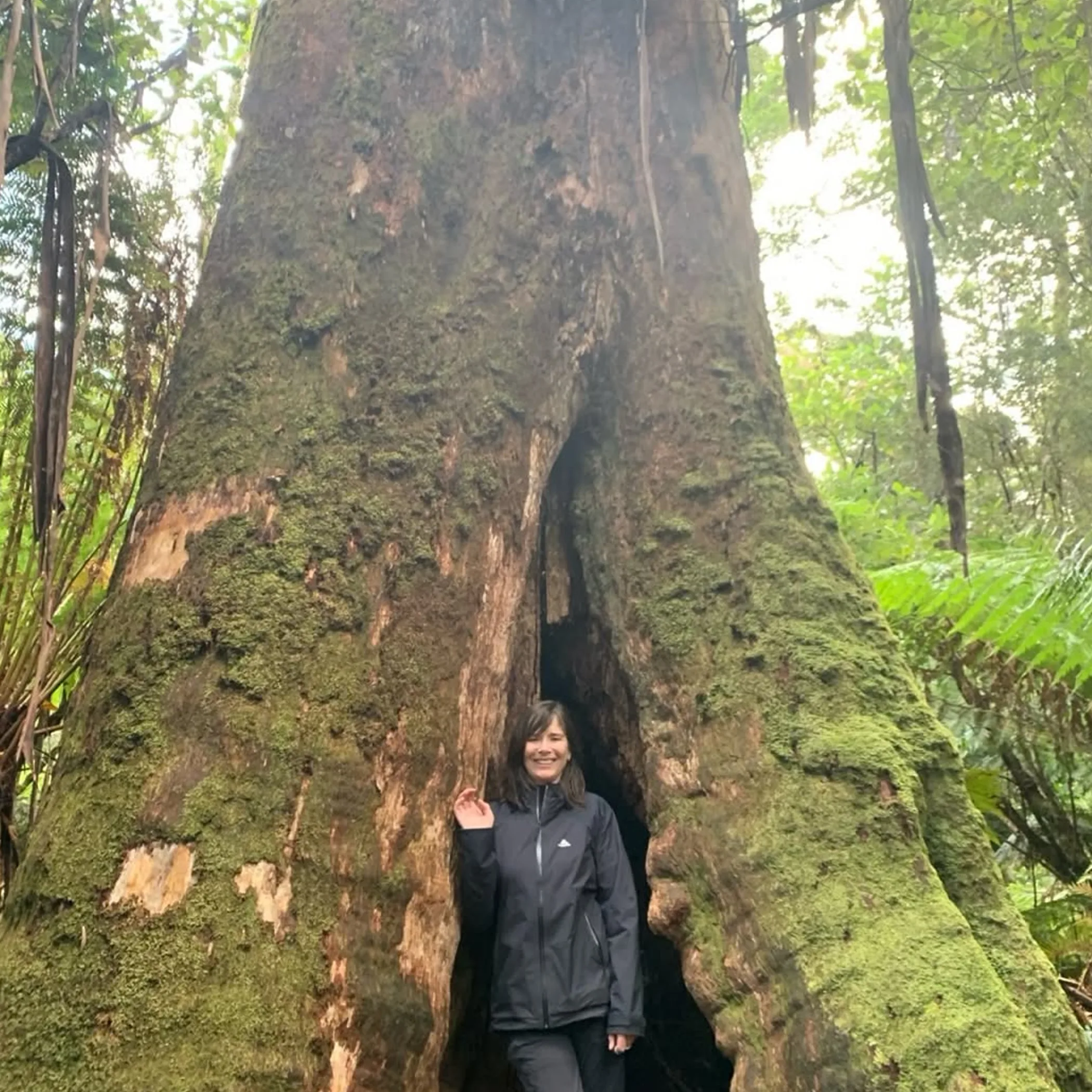
Those after a real day hike but not wanting to be on their feet all day will find Shelley Beach to Parker Inlet a shorter alternative. There is a nice mix of elevation, rugged coast and forest to be had. On paper the section is simple enough, but one should not be lulled by the map; soft ground and stairs in wet weather can make for a more arduous time. I have made the mistake of thinking a “short coastal walk” would be an easy way to spend a morning, only to put in back with jacket damp and socks caked in mud and a fresh appreciation of what undulating means.
A Shorter Day Well Spent
Make of this section a day trip from Apollo Bay or some other base in the Great Ocean Road area. An early start is advisable on weekends and at busy times of year since you may find transport and parking take longer to sort out. The walk will occupy 3.5 to 5 hours, but put down extra time for the drive, to find your access point and for a leisurely return. Should you need to do a car shuffle, leave the vehicle at the finish after you have ascertained the rules and conditions for parking.
Beach Access
Do not think of the beaches on the route as you would a normal swimming beach. One cannot simply assume a stretch of sand in view will be passable all day; swell and tide height are quick to alter the safest way forward, so check tides first. And put your shoes on when there is wet sand or rock about. This is the Great Ocean Walk, a serious coastal environment, not some promenade put together for the publicist.
Cape Otway: History And Wildlife
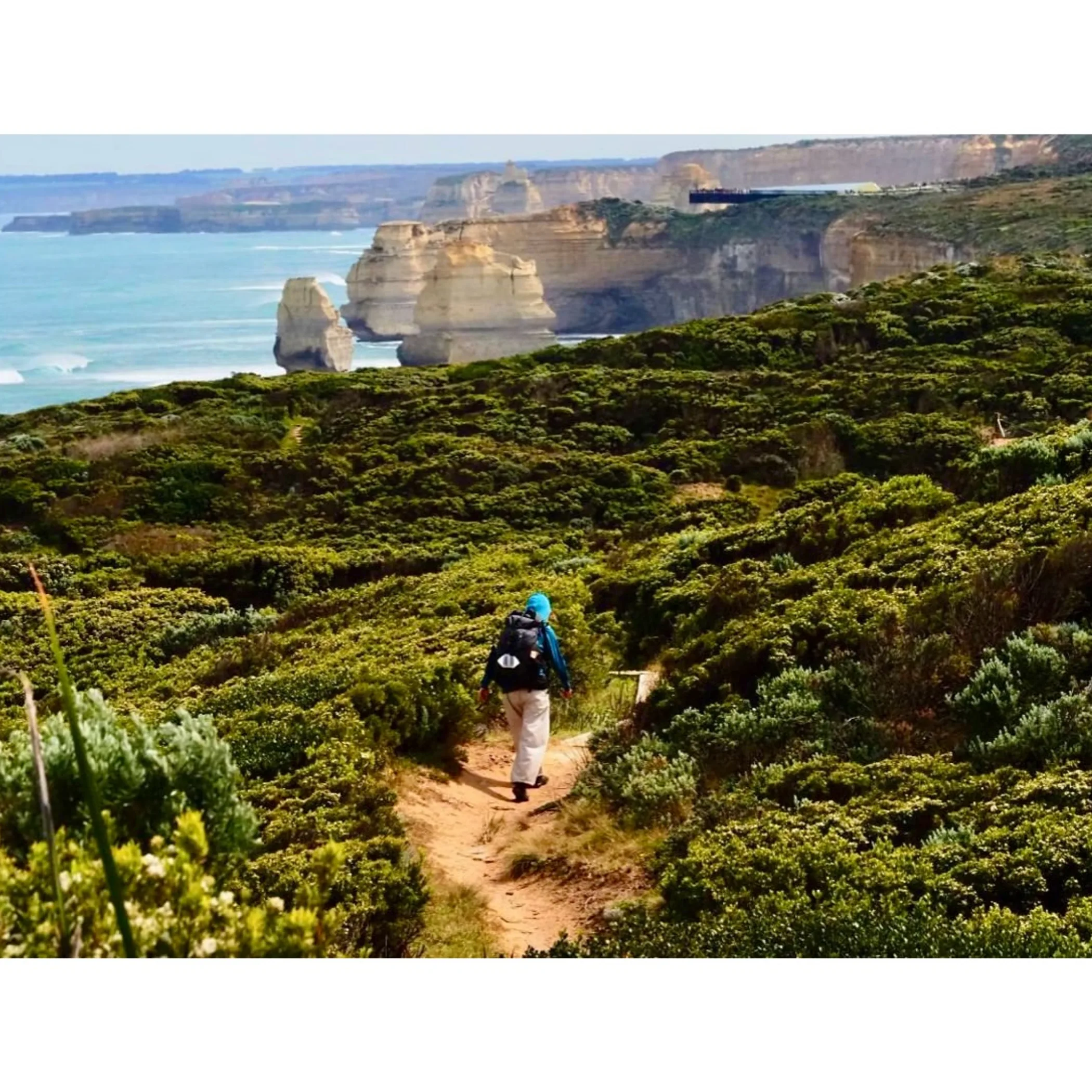
From Cape Otway to the Aire River you have open ocean, forest and historic landscapes. The former is well worth a visit for those wanting the maritime history and human story of the coast to go with their scenery. You can expect to put in 4.5 to 6 hours on foot here, more if you linger. It is moderate terrain until the track is underfoot soft or the wind is up.
Wildlife is best left to its own devices. A sensible distance and quietude in the forest will do; koalas, wallabies and birds will show themselves in due course. There is no point in marching on a rustle and making your excitement known. Food should be carried securely and animals left to be. While late afternoon or early morning can be good for wildlife, do not let it compromise your safety or visibility; a head torch is wise if dusk is upon you.
Getting To Cape Otway
Traffic and holiday congestion on the Great Ocean Road will dictate how long the drive is. Before you put the larger towns behind you, see to fuel, rations and phone coverage. A full tank and lunch in hand are not as appealing as a dash to the bakery but they are to be relied on. Parks Victoria has the latest on park conditions and any alerts from the Great Otway National Park that ought to be reviewed.
Johanna: Beaches And Open Country
The stretch from Aire River to Johanna Beach gives the walker a proper sense of travel with its clifftop vantage points and mix of forest and open country. Those in search of a physical challenge and broad views will find it rewarding. But it is where over optimistic timing comes to grief. In fair conditions 5.5 to 7.5 hours is the mark for the walk, then add on for photos, a meal and whatever the beach puts in the way.
What People Overlook
Open country saps energy. The wind and sun without tree cover to shield you will turn a mild day into something harder, and the soft sand and unevenness of the beach require thought. Do not come to Johanna with half a bottle of water and the notion the car is “just over there”. See that you have water for the whole of it, particularly in warm or windy weather; a filter is no replacement for knowing you have a reliable supply.
Reality Will Set In
You might envisage a flat, easy beach section but the sand can be rough and moving from dunes to track will call for it. Plan for a slow day even if it is a beautiful one. Fit walkers with a bit of trail experience will be at home here. A beginner would be better served by Shelley Beach to Parker Inlet or Apollo Bay to Elliot Ridge before taking on such an exposed route.
Ryans Den
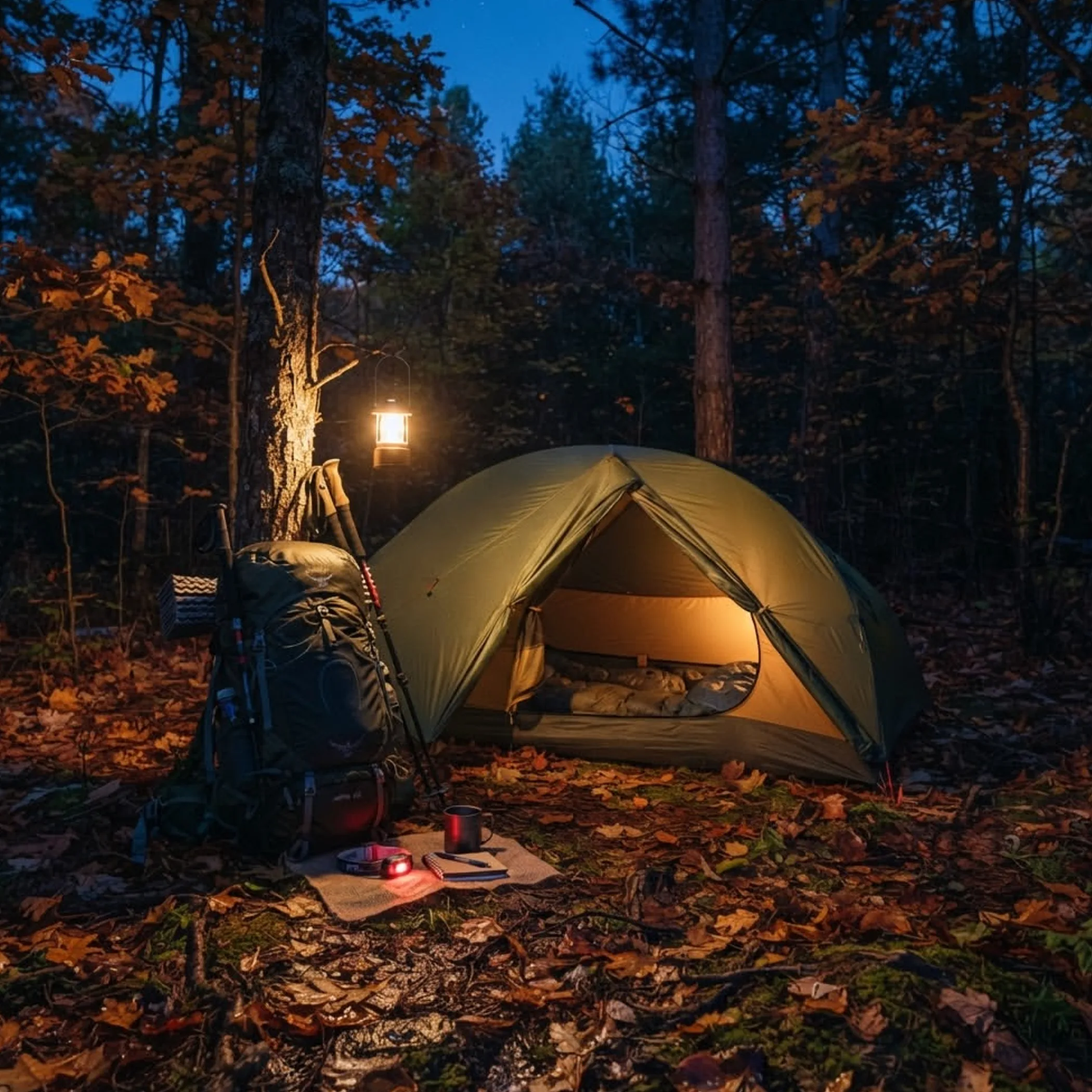
Those in search of a full day’s work on the trail, with all the remoteness and drama of the coast that entails, will make for Johanna Beach to Ryans Den. Owing to the sustained effort required over hours of uneven ground and exposure, it is not uncommon to be told this is among the more arduous parts of the Great Ocean Walk.
Factor in some 6.5 to 9 hours for it; wind, mud, the weight of one’s pack and the need for a rest can all add time. An able walker will put in the distance without trouble but we would advise a first-timer to be conservative and not start late.
What makes this section hard
There is no one obstacle so much as a cumulative effect. The kilometres and their ascents and descents, the ridgelines you are exposed on and the way the surface changes will have their impact. Add a heavy overnight pack and the going is harder still.
It is hardly suited to those who have an injury to recover from, do not like heights or are at all unsure of navigation and making emergency plans. One should come prepared with the usual hiking paraphernalia: water, food, warm and rain layers, a first-aid kit, your means of navigation and a phone with charge to spare and a back-up plan for communication.
To be sure of the return
Put transport in place before you go. Two vehicles and some deft timing will see to a car shuffle, which is the practical way to do it. For the solo walker or one without a second car a shuttle service might be preferable, though what is available and at what price is down to the operator and the season.
Book only after you have inquired as to waiting times, the route and any cancellation policy. Of little use is the least expensive option if it means you are left at a trailhead out in the open once dark has fallen.
A walk to the Twelve Apostles
From Gables Lookout to the Twelve Apostles you will find the scenery most in evidence here, the kind of coastal formations and clifftops that put in a good showing before the finish near Glenample Beach. It is also one of the longer options so let not the fame of the destination make you under-estimate the physical side of things.
You will want to put aside 7.5 to 10 hours or thereabouts for the walking. This is no leisurely thing to fit in between lunch and sunset.
The finale is time consuming
The track can be wet or rough and the open coast is windy enough to slow you down. Make room in the schedule for a few photographs but leave daylight for the last few kilometres and your transport. Do not count on a plan to “walk to the Apostles and be driven back” unless you have the ride in hand. With the numbers of visitors and traffic, especially at busy times, parking can be an issue. Have a meeting point and an arrival window that is realistic when you make your pick-up arrangements.
Is it for you?
An experienced day walker who has tried his footing and pace on uneven terrain will be well placed to handle this. It is for those who can put up with variable weather and have no desire to cut the route short. Should you have a single day and wish to see the most iconic of landscapes then give this section precedence. Want the least amount of logistical hassle? Go for a shorter inland-and-coastal section.
Deciding on the right section
Your itinerary for the Great Ocean Walk should be a function of why you are there, your fitness and how you are getting about. There is nothing to be won by the longest route if you end up in the last hour haggling with your knees and counting off steps. Be ambitious by all means but a scenic walk you can get back from safely is better than one that does not account for the tides or the weather.
Some scenarios for planning
- One day and a mind for the rainforest: Apollo Bay to Elliot Ridge.
- For a bit of coast in less time: Shelley Beach to Parker Inlet.
- Where wildlife and history are of interest: Cape Otway to Aire River.
- Beaches and open country: Aire River to Johanna Beach.
- If you want to be challenged: Johanna Beach to Ryans Den.
- And if the Twelve Apostles are what you are after: Gables Lookout to the Twelve Apostles.
For the walker in search of a more leisurely regional outing, it is better to make an experience of it over a number of days: put in a part of the track and make time for the forest, some local fare and a place to stay. You will find a 2-day slow escape in the Great Otway gives you more breathing room than the heroic weekend spent trying to hit every lookout.
Transport And Safety
One does not have to look far for where people are caught out; transport is the usual culprit. With the Great Ocean Walk being a linear affair, the finish is not where you started. Make sure you have a return plan in place and verify road conditions, parking, any public transport restrictions and trailhead access before you set off.
Then there is the matter of the weather which has a way of changing on the coast in short order. Visibility, your footing and general comfort can be compromised by wind, rain, low cloud or cold. If forecasts put up any warnings or indicate the route is not to be had safely, check them as you are about to depart and call it off.
What To Pack
- See what the park alert and tides are, what the track is like and what the forecast says.
- Have your transport and the way back sorted before you get there.
- Put water, food, first-aid, layers, something waterproof, a phone with charge and navigation in your pack.
- Let someone know your emergency plan and when you expect to be done.
- An early start will ensure you have a margin of daylight to come in safely.
On the subject of permits, you will not generally need one for a public day section, but there may be charges or other requirements for camping, parking and so on. Do not go by an old blog or the word of someone at the pub; official park information is the way to go as rules are apt to change.
The grading of the track is a guide, but it does not know about a full pack or sideways rain or an ankle that is going to be sore. A beginner would be wise to don well broken-in footwear and take on a moderate length of the walk without making of the Great Ocean Walk a test of character.
Frequently Asked Questions
Travellers putting together a day hike on the Great Ocean Walk tend to ask these. The answers are brief, but then again, what is on the ground is what counts.
What Is The Best Section?
That is a question of priorities. For an all-round introduction Apollo Bay to Elliot Ridge is hard to beat; the Gables Lookout to the Twelve Apostles is for the experienced who want the iconic ending. History and wildlife seekers might opt for Cape Otway to Aire River.
Can You Do Part Of It In A Day?
You can. There are sections that make for a good one dayer if the one-way transport is in order. But select the distance and difficulty for what your fitness and the weather allow, not because it makes an impression on a map.
How Long For The Full Walk?
It is usually done as a multi-day overnight, not a single day. Your itinerary, pack weight, pace and the like will dictate the number of days.
Where Does One Start And Finish?
From the vicinity of Apollo Bay the route goes west to the Twelve Apostles. As individual sections have their own access, you should confirm the exact trailhead and finish point before you organise a car or shuttle.
Is A Beginner Out Of His Depth?
Not on some of the moderate fare, say from Shelley Beach to Parker Inlet, if he is prepared. But Johanna Beach to Ryans Den or the stretch to the Twelve Apostles are longer and more exposed and call for better planning, sound shoes and a higher level of fitness.
Make The Most Of It
Do not go for the version of the day in your head where the weather is kind and the track is dry and no one wants to stop for the toilet. Pick a landscape to suit the actual day, see what the conditions are, put the return in order and allow yourself to walk at a sensible pace.
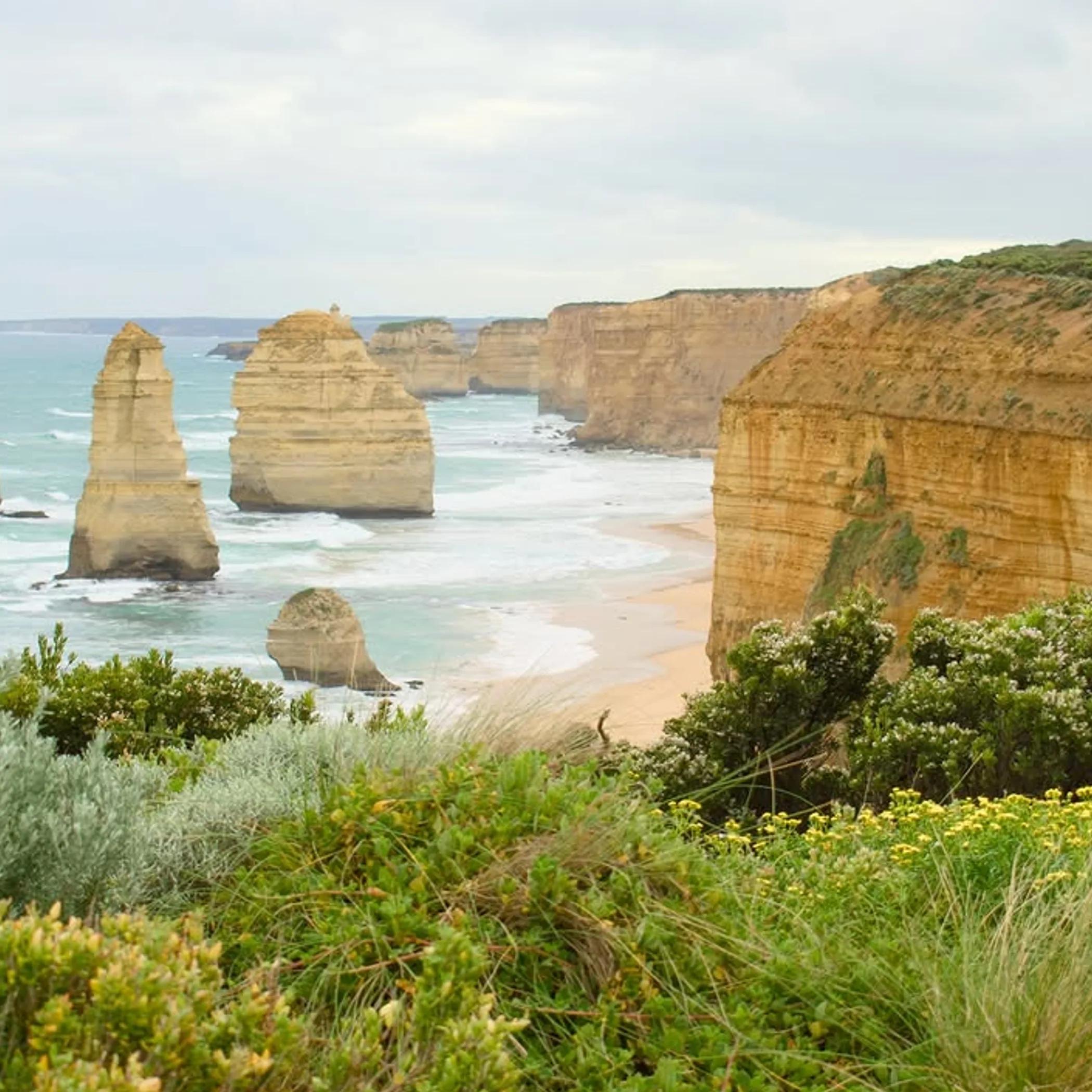
The coastline in Victoria is worth the patience. Have the clifftops when you can see, the beaches if the tides are right, the forest for shelter and the Twelve Apostles for a grand finale. After you have packed properly and boiled the billy, let the mozzies have their say.
